What Is a Window Well? Types, Materials, and Applications Explained
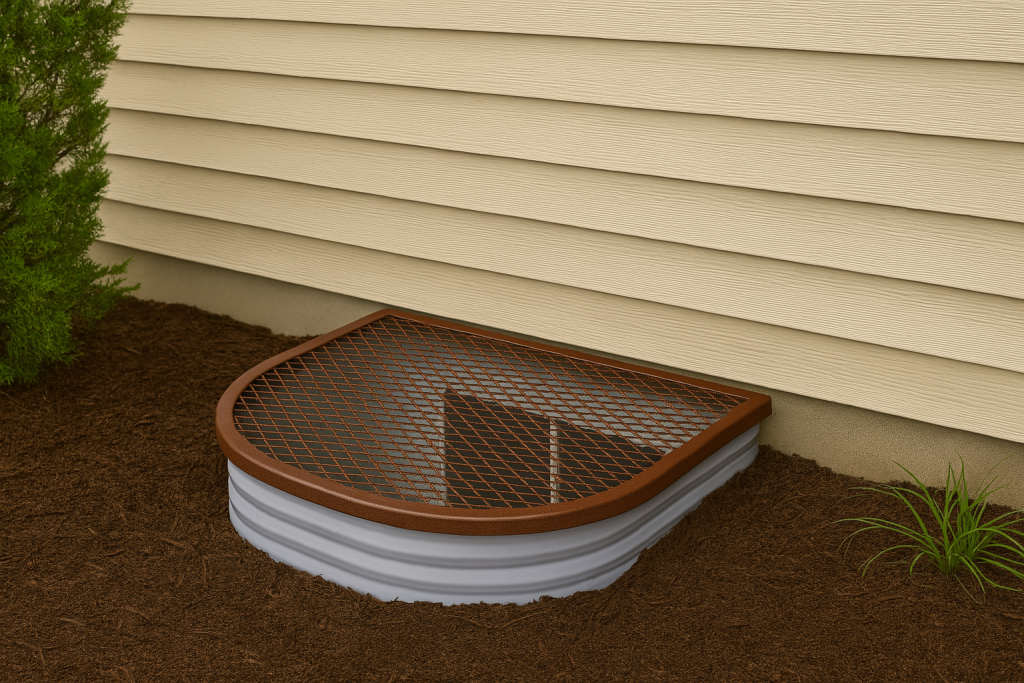
Window wells are an important component of below-grade construction, creating the space needed for basement windows to function properly while helping protect the window opening from surrounding soil and moisture. Whether installed for natural light, ventilation, or emergency egress, a properly selected window well contributes to the long-term performance of the basement window system. Understanding what a window well does, the different types available, and the materials used in its construction helps builders, contractors, and project teams make informed decisions when selecting the right solution for a below-grade application. What Is a Window Well? A window well is a structure installed around a basement window that sits below ground level. It creates an open area between the window and the surrounding soil, allowing the window to bring in light and air while helping prevent the ground from blocking access. Window wells are commonly made from durable materials such as galvanized steel, plastic, or composite materials. The design and size of a window well depend on the type of basement window, whether the window must meet egress requirements, and the building’s specific needs. For residential and light commercial construction, window wells serve both functional and safety purposes. A properly designed window well supports the performance of below-grade windows while helping protect the window opening from common below-grade conditions. How a Window Well Works A window well works by creating a reinforced space around a basement window. Instead of soil sitting directly against the window, the well acts as a barrier, holding back the surrounding earth. Window wells are typically installed during or after foundation construction and secured near the basement wall as part of the overall below-grade building system. Many designs include features that improve strength and stability, such as corrugated surfaces, reinforced edges, and attachment points. Similar considerations apply throughout construction, where structural components must be selected based on the needs of the application. Products such as building columns are used in projects that require dependable support and structural strength. A complete window well installation may also include drainage considerations, covers, ladders, or grates depending on the application and local requirements. Why Basement Windows Need Them Because basement windows are installed below ground level, they require space between the window opening and the surrounding soil. A window well creates that clearance, allowing the window to operate as intended while helping reduce direct soil contact around the opening. In addition to improving access to the window, a properly selected window well supports drainage around the opening, allows natural light to reach below-grade spaces, and, when required, accommodates the clearance needed for emergency egress. What Are Window Wells Used For? Window wells serve several important purposes in below-grade construction. From improving basement comfort to meeting safety requirements, they are an important part of many basement window installations. Letting in Natural Light Basements often have limited natural light because they are located below ground. A window well creates open space around the window, allowing sunlight to reach the interior. For finished basements, offices, bedrooms, and other occupied spaces, additional natural light can improve visibility and contribute to a more comfortable environment. Emergency Egress and Building Code Requirements Some basement windows are designed to serve as emergency exits, also known as egress windows. When used for this purpose, the window well must provide sufficient space for a person to exit safely and for emergency personnel to access the opening if needed. Egress requirements vary depending on location, building type, and local codes. Contractors and builders should confirm applicable requirements before selecting a window well. Foundation and Moisture Protection A window well helps create separation between the basement window and the surrounding soil. This space can help direct water away from the window opening when paired with proper drainage practices. A quality window well should be designed to withstand outdoor conditions, including exposure to moisture, soil pressure, and changing temperatures. Ventilation for Below-Grade Spaces Basement windows can provide ventilation when they can be opened safely. By creating clearance around the window, a window well allows air to circulate while keeping soil and debris away from the opening. Types of Window Wells Window wells come in different styles and designs depending on the window type, building requirements, and installation needs. Egress Window Wells Egress window wells are designed for basement windows that serve as emergency exits. These wells are typically larger than standard window wells to ensure enough space for safe entry and exit. Because egress window wells must meet specific size and accessibility requirements, they should be selected in accordance with applicable building codes and the dimensions of the basement window. Non-Egress Window Wells Non-egress window wells are used for basement windows that allow light or ventilation but are not intended as emergency exits. These window wells may be smaller than egress designs and are commonly used for utility rooms, storage areas, and other below-grade spaces where emergency access is not required. Round (ARC Style) vs. Square (AQC Style) Window Wells Window wells are available in different shapes to accommodate various installation requirements. Round or ARC-style window wells feature a curved design that can work well with many standard basement window applications. Square or AQC-style window wells offer a more angular design that may be preferred for certain layouts. The right shape depends on the window size, available space, and project specifications. Casement-Style Window Wells Casement windows open outward using a crank mechanism, which means they require additional clearance around the window. Casement-style window wells are designed to provide the necessary space for these windows to operate properly. Window Well Materials: What Are They Made Of? Window wells are manufactured from several different materials, each with different performance characteristics. Galvanized Steel Window Wells Galvanized steel is one of the most common materials used for window wells because it combines strength, longevity, and corrosion resistance. Designed to withstand soil pressure and long-term exposure to outdoor conditions, galvanized steel window wells provide dependable performance in residential and light commercial construction. Quality construction features also play an